
silver full length wall mirror
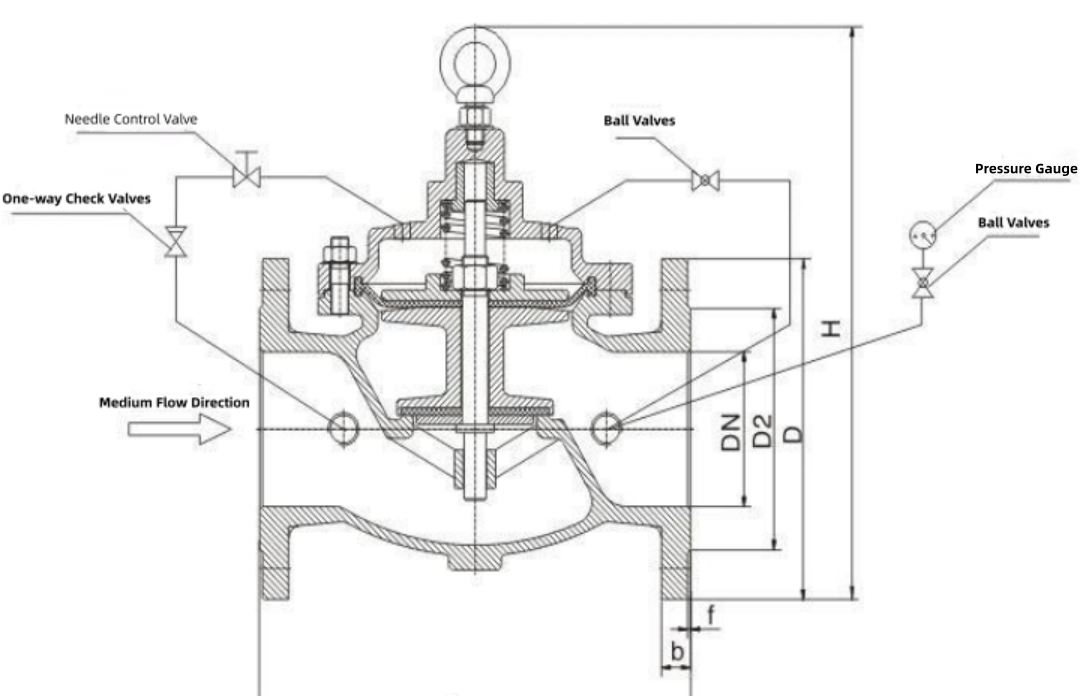
The Importance of Soft Close Check Valves for Sump Pumps When it comes to managing water in basements, stormwater management systems, or other areas prone to flooding, sump pumps are essential for their effective operation. However, these pumps require more than just installation; they also need a reliable system of valves to ensure efficiency and longevity. One of the key components in this system is the soft close check valve. This article explores the importance of soft close check valves for sump pumps, their benefits, and how they contribute to the optimal functioning of drainage systems. Understanding Check Valves Check valves are devices that allow fluid to flow in one direction while preventing reverse flow. In sump pump applications, they play a crucial role in maintaining the flow of water away from the pump and preventing backflow that could lead to pump damage or failure. Standard check valves can work, but they often create a harsh slamming effect when closing, which can lead to wear and tear not only on the valve itself but also on the associated piping and the pump. The Role of Soft Close Check Valves Soft close check valves, as the name suggests, close more gently compared to standard options. They are designed to minimize the shock and turbulence that can occur when water flows through the valve. This is particularly important in sump pump applications, where water flow can be dynamic and unpredictable due to shifting weather patterns or fluctuating groundwater levels. By incorporating a soft close mechanism, these valves significantly reduce the wear and tear on the plumbing system and extend the lifespan of the sump pump. Advantages of Soft Close Check Valves 1. Reduced Noise and Vibration The primary advantage of soft close check valves lies in their ability to minimize noise and vibrations. Traditional valves can cause loud slamming noises when they close, which can be disruptive in residential settings. Soft close valves mitigate this issue, providing a quieter operation, which is particularly desirable in basements or residential areas. soft close check valve for sump pump 2. Less Wear and Tear The gentler closing action prevents the mechanical components of the valve and the plumbing system from experiencing harsh impacts. This longevity translates to fewer repairs and replacements, thus saving homeowners on maintenance costs. 3. Improved Efficiency By allowing for a smoother flow of water, soft close check valves enhance the overall efficiency of the sump pump system. The less turbulence created, the better the pump can operate, leading to increased energy efficiency and lower utility bills. 4. Better Performance In situations where multiple sump pumps are used or where high-capacity pumping is necessary, the gentle closing action can help maintain consistent performance levels. Sudden changes in pressure and turbulence can negatively impact pump reliability; thus, installing soft close valves can help mitigate these risks. Installation Considerations When choosing to install soft close check valves in conjunction with sump pumps, it is essential to consider the type, size, and materials that suit your system. These valves come in various designs, including PVC and cast iron, to suit different plumbing applications. Working with a professional plumber can ensure that the correct specifications are chosen for optimal performance, taking into account flow rates and pipe dimensions. Conclusion In conclusion, soft close check valves are an excellent addition to any sump pump system. Their ability to reduce noise, prevent wear and tear, and improve efficiency makes them an investment worth considering for homeowners looking to protect their properties from water damage. As the world experiences more unpredictable weather patterns, ensuring that sump pumps operate seamlessly is more important than ever. By integrating soft close check valves, you can enhance your sump pump's reliability and performance, ensuring that your home remains safe and dry, no matter the conditions outside. Investing in quality components today can lead to peace of mind for years to come.
about
silver full length wall mirror
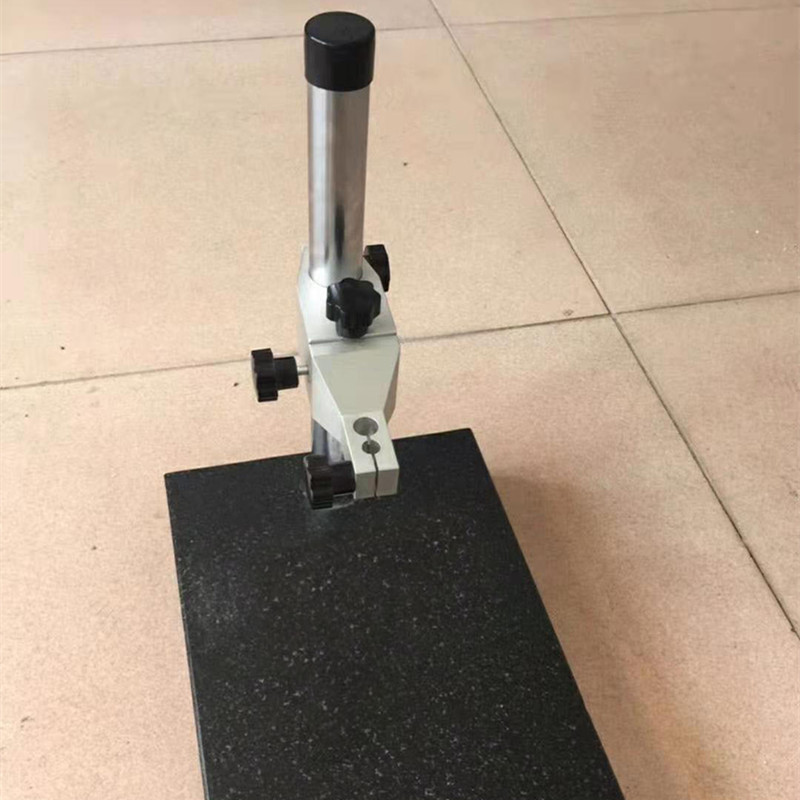
In precision manufacturing and metrology, surface plates serve as the foundational reference for accurate measurements, inspections, and part alignments. Proper maintenance is critical to ensure their longevity, accuracy, and reliability. Neglecting care can lead to costly recalibrations, reduced productivity, or even premature replacement. This article outlines best practices for maintaining surface plates , focusing on surface plate calibration , granite surface plate care, and inspection surface plate protocols. By adhering to these guidelines, manufacturers can maximize the lifespan of their equipment while sustaining high precision standards. Understanding the Fundamentals of Surface Plate Care A surface plate is a flat, stable platform used as a reference plane for precise measurements. Its accuracy depends on maintaining its flatness, cleanliness, and structural integrity. Here are core practices to ensure longevity: Daily Cleaning: Dust, debris, and oils are enemies of precision. Use a soft brush or lint-free cloth to remove loose particles. For stubborn residues, apply a mild detergent diluted in water, followed by thorough drying. Avoid abrasive cleaners or solvents that could degrade the surface. Controlled Environment:Store surface plates in temperature-stable environments (ideally 20°C ±1°C). Granite and metal expand or contract with temperature fluctuations, altering flatness. Humidity should also be regulated to prevent corrosion on metal plates or moisture absorption in granite. Load Distribution: Never exceed the weight limit specified by the manufacturer. Distribute loads evenly to avoid localized stress. Concentrated pressure can cause permanent deformation, especially on granite surfaces. Protective Covers: When not in use, cover the plate with a fitted lid or breathable fabric to prevent dust accumulation and accidental impacts. Regular inspections for scratches, dings, or wear patterns are essential. Early detection of damage allows for timely corrective actions. The Role of Surface Plate Calibration in Sustained Accuracy Surface plate calibration is the backbone of maintaining measurement integrity. Even minor deviations in flatness can lead to significant errors in downstream processes. Best practices include: Scheduled Calibration: Establish a calibration schedule based on usage intensity. High-traffic plates may require quarterly checks, while lightly used ones can be calibrated annually. Always adhere to ISO 8512-3 or ANSI/ASME B89.3.7 standards. Qualified Technicians: Only trained professionals should perform surface plate calibration . They use precision tools like autocollimators or electronic levels to map flatness and identify high/low spots. Documentation: Maintain records of calibration dates, results, and corrective actions. This data helps track wear trends and justify recalibration intervals. Post-Calibration Care: After calibration, avoid abrupt temperature changes or heavy loading for 24 hours to let the plate stabilize. For granite surface plates , calibration often involves lapping to restore flatness. Metal plates may require machining or scraping. Always consult the manufacturer for recommended post-calibration protocols. Optimizing Granite Surface Plate Performance Granite surface plates are prized for their stability, non-conductivity, and resistance to corrosion. However, granite’s porous nature demands specialized care: Sealing the Surface: Apply a penetrating sealer annually to fill microscopic pores. This prevents oil, coolant, or moisture infiltration, which can cause staining or dimensional instability. Avoid Direct Impact: Granite is brittle. Dropping tools or parts on the plate can chip edges or create pits. Use rubber mats or padded fixtures when handling heavy components. pH-Neutral Cleaners: Granite reacts to acidic or alkaline substances. Use pH-balanced cleaners to avoid etching the surface. Storage Position: Store granite plates horizontally on three support points (to prevent warping) and never stack them. Regularly check for “ringing” – a hollow sound when tapped indicates delamination or internal cracks. Address such issues immediately to prevent catastrophic failure. Implementing Inspection Surface Plate Protocols An inspection surface plate is subjected to rigorous daily use, making proactive maintenance non-negotiable. Key protocols include: Pre-Use Checks: Inspect the plate for debris or damage before each use. Verify that calibration stickers are current. Tool Hygiene: Ensure measuring instruments (e.g., height gauges, dial indicators) are clean and calibrated. Contaminated tools can scratch the plate or transfer residues. Workflow Zoning: Designate specific areas of the plate for different tasks. For example, reserve one quadrant for heavy part alignment and another for delicate inspections. This minimizes cross-contamination and wear concentration. Post-Use Decontamination: After inspections, wipe the plate with a static-dissipative cloth to remove metal shavings or grinding dust. For facilities using multiple inspection surface plates , implement a rotation system to distribute wear evenly across units. FAQs About Surface Plate Maintenance How often should a granite surface plate be recalibrated? Recalibration frequency depends on usage and environment. High-precision labs may recalibrate every 6 months, while industrial settings might opt for annual cycles. Always follow the manufacturer’s guidelines and track flatness trends from past surface plate calibration reports. Can a damaged surface plate be repaired? Minor scratches on a surface plate can often be lapped out by professionals. However, deep cracks or warping may necessitate replacement. Granite surface plates are particularly challenging to repair once delamination occurs. What cleaning agents are safe for an inspection surface plate? Use isopropyl alcohol or pH-neutral detergents for routine cleaning. Avoid acetone, ammonia, or vinegar-based solutions, which can degrade granite surface plates or leave residues on metal ones. Why is temperature control critical for surface plate calibration? Temperature fluctuations cause thermal expansion/contraction, altering the plate’s dimensions. Surface plate calibration performed in unstable conditions will yield inaccurate results, compromising measurement integrity. How do I identify wear on an inspection surface plate? Conduct a visual inspection for scratches, discoloration, or pitting. Use a straightedge and feeler gauge to check flatness. Persistent inaccuracies during measurements also indicate wear, necessitating immediate surface plate calibration . Proper maintenance of surface plates is an investment in precision and productivity. By integrating daily cleaning, disciplined surface plate calibration , tailored care for granite surface plates , and rigorous inspection surface plate protocols, manufacturers can extend equipment lifespan and uphold stringent quality standards. Adhering to these best practices ensures that these critical tools remain reliable partners in achieving operational excellence.
-

High quality industrial productsagement

High quality industrial products
View Details -

Meet the diverse needs of customers

Meet the diverse needs of customers
View Details -

Strict quality control

Strict quality control
View Details -

Top raw materials

Top raw materials
View Details -

Trusted supplier

Trusted supplier
View Details
Our application


news and information
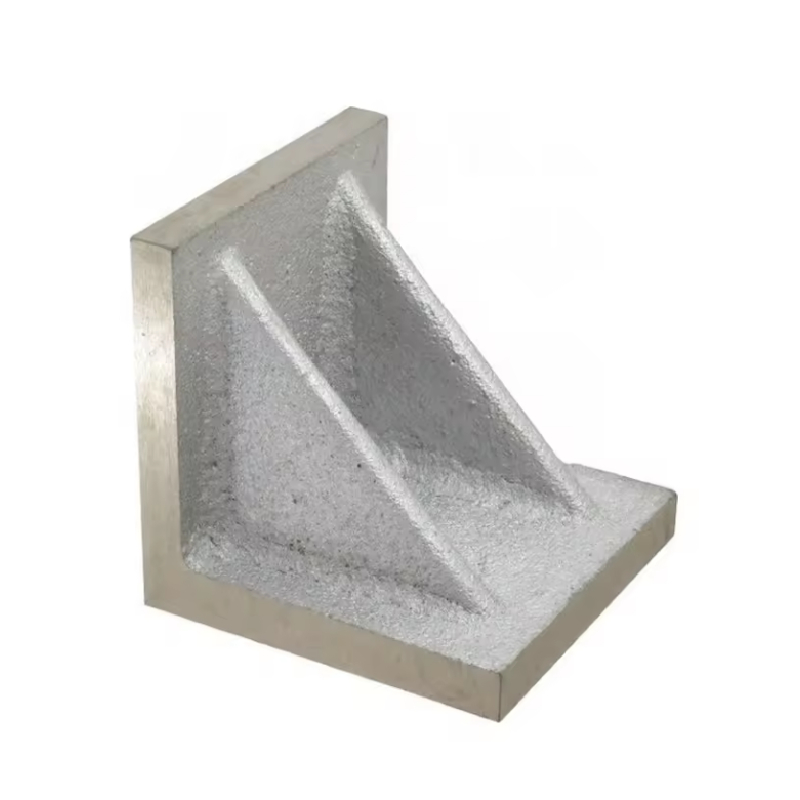
what is a water valve
Understanding Water Valves Their Role and Importance Water valves are essential components in plumbi

Versatile Applications of Magnetic V Blocks in Precision Machining and Setup
The Versatile Uses of Magnetic V Blocks in Precision Engineering Magnetic V blocks are essential too
Welding Inspection Ruler for Accurate Joint Measurement and Quality Control
The Importance of Welding Inspection Rulers in Quality Control Welding is a critical process in nume
 English